
From Montreal, a round-trip flight to Vancouver often runs around CA$317. It becomes a real deal under CA$278, especially for a departure in November and October.
At a glance
- Typical price
- CA$317a round trip, the middle of tracked prices
- Real deal
- under CA$27820% of tracked trips were at this price or lower
- Nonstop
- 90%of tracked trips
- Cheapest
- November, Octobercheapest departure months
Cheap Montreal–Vancouver flights: how much should you pay?
The lowest price spotted from YUL is CA$251, which gives you a good benchmark when comparing alerts. The main thing to remember is that Montreal is the primary departure point, with 50 data points and a strong presence of direct flights. July stands out as the most expensive month in our data. The gap between the cheapest month and the most expensive month reaches 51%.
| From | Typical price | Lowest seen | Nonstop | Trips tracked |
|---|---|---|---|---|
| Montreal YUL | CA$317 | CA$251 | 90% | 50 |
| Quebec City YQB | CA$573 | CA$542 | none | 12 |
- lowest tracked
- CA$251
- real deal
- CA$278
- typical price
- CA$317
- Great sign below the deal line: time to book.
- Good sign between the line and the typical price: a fair price, nothing more.
- Worth checking above the typical price: an ordinary fare, better to wait.
The lowest price tracked, day after day
Nonstop or one-stop flights from Montreal, any travel dates.
- Chosen observation
- CA$267
- CA$83 below the peak.
- Lowest observed
- CA$251
- Highest observed
- CA$350
How to read this chart
19 observation(s) · Times at the departure airport. Lines connect observations; they do not prove continuous availability. Dotted stretches mark more than two days without an observation.
On sale to Vancouver right now
More deals to this destination are currently reserved for Premium members. Explore Premium →
How do I get alerted to a deal to Vancouver?
Create a Montreal → Vancouver radar: it watches prices for you and tells you by email or Discord as soon as a round trip drops below the deal line.
With Premium, the alert goes out as soon as the deal appears, instead of waiting for the weekly digest. Explore Premium →
Why go to Vancouver?
Vancouver has a rare mix in Canada: the city touches the ocean, the mountains, the forest, and very lively neighbourhoods all at once. You can go from a damp trail under cedars to a ramen counter, from a quiet beach to a gallery, without feeling like the city is forcing its pace. It’s an easy city to visit when you like alternating between nature and lively streets.
What makes it special is how it feels both gentle and urban. Mountains frame the streets, boats cross the inlets, cafés spill onto sidewalks as soon as the sky opens up, and every neighbourhood seems to have its own way of slowing down. According to our data, the best deal spotted was CA$251, for a departure in November.
A little history
Before the modern city, Vancouver’s territory was part of the lands of the Musqueam, Squamish, and Tsleil-Waututh Nations. The shoreline, forests, rivers, and sea passages shaped life here long before European settlers arrived. This Indigenous presence remains essential to understanding the city today, its places, its names, and its debates.
The city took shape in the late nineteenth century, driven by timber, the port, and especially the arrival of the railway. Shortly after it was incorporated, a major fire destroyed much of the young urban centre. The quick rebuilding gave the city its momentum as a Pacific port, oriented toward Asia, resources, and trade.
Over the course of the twentieth century, Vancouver became a city of immigration, creativity, and major urban projects. Chinese, Japanese, South Asian, European, and many other communities left their mark on its food, businesses, and neighbourhoods. The world’s fair at the end of the century, then the Winter Games in the early twenty-first century, strengthened its image as an open, dense city closely tied to nature.
Neighbourhoods to explore
Partner links: if you book through them, we earn a small commission at no extra cost to you.
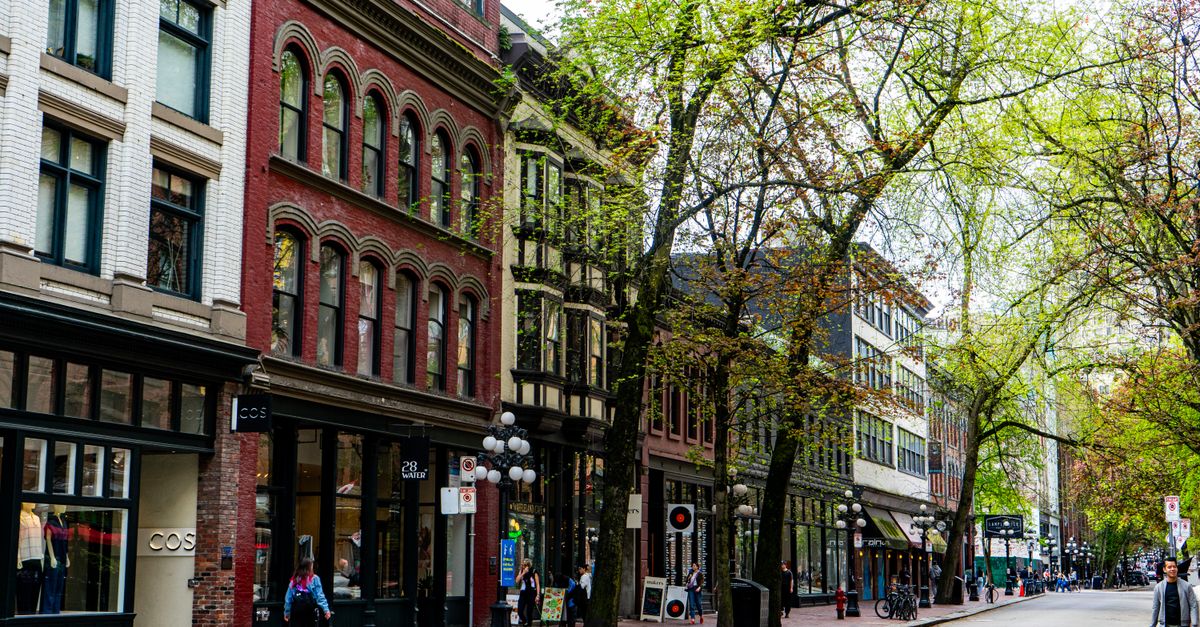
Gastown
Gastown is Vancouver’s old-world setting, with brick streets, stone façades, and lampposts that cast a soft glow in the evening. The neighbourhood was long a hub of trade and port activity, then became a place for restaurants, shops, and intimate bars. Go near the end of the day, when the storefronts light up and the streets take on a strolling feel.
Tip: Walk slowly around Water Street, then move away from the most photographed corners to find quieter spots.
Yaletown
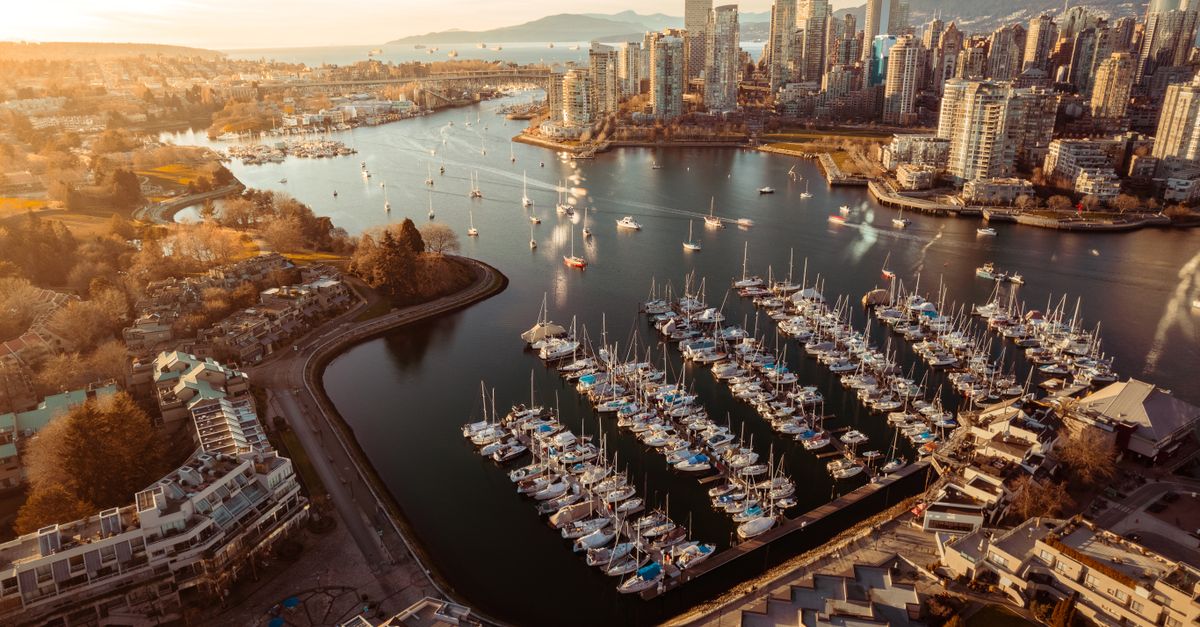
Yaletown has kept the spirit of its old warehouses, but the tracks and loading docks have given way to patios, lofts, and polished restaurants. The neighbourhood is well suited to a walk by the water, especially when boats are passing through False Creek. It’s a good choice for an evening meal that stays central without feeling too formal.
Tip: Follow the False Creek waterfront path before choosing a table; it gives you a better sense of the neighbourhood’s atmosphere.
Kitsilano
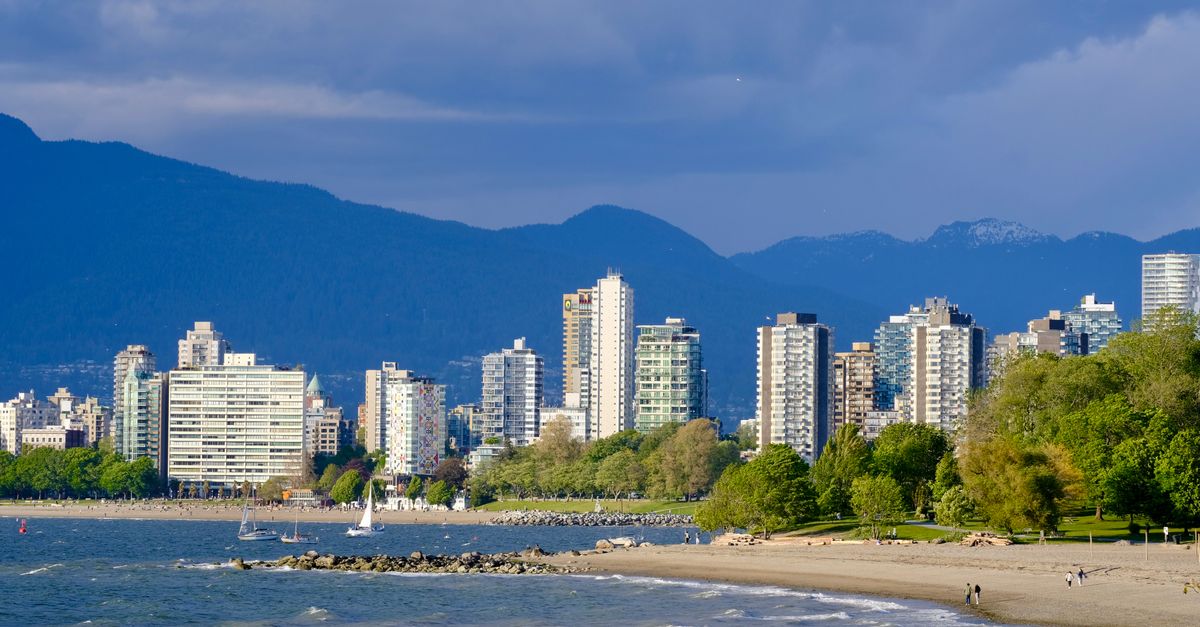
Kitsilano, often called Kits, has the feel of a beach neighbourhood, with low houses, simple cafés, and open views toward the mountains. The pace feels less rushed than downtown, even when the main streets are busy. It’s a good area for a quiet morning or a late afternoon near the water.
Tip: Bring a light layer, because the wind near the beach can change the mood quickly.
Commercial Drive
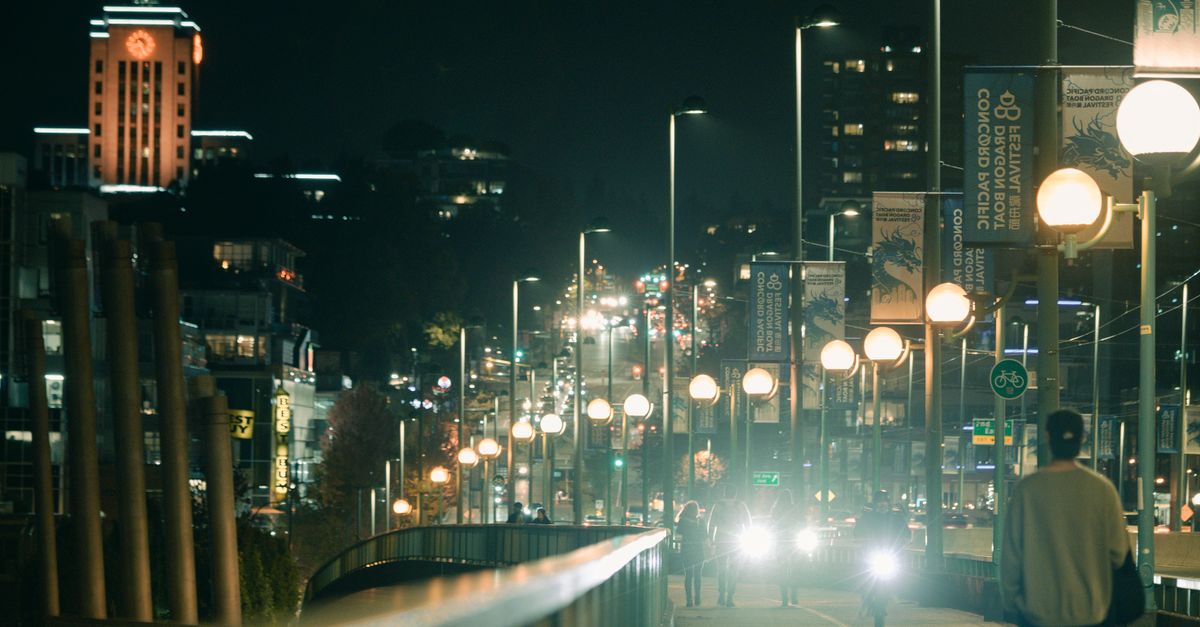
Commercial Drive keeps a local, colourful, slightly bohemian edge. You’ll find independent cafés, international grocery stores, unpretentious restaurants, and real neighbourhood life. It’s the place to choose when you want to step outside the downtown circuit and feel a more everyday side of Vancouver.
Tip: Go eat without planning too much, then let the storefronts and smells decide the next stop.
Mount Pleasant
Mount Pleasant mixes workshops, microbreweries, murals, cafés, and small creative shops. The neighbourhood draws both locals and visitors looking for an atmosphere that’s less polished than the waterfront. It’s pleasant in the afternoon, when you can move from a commercial street to a painted alley without rushing.
Tip: Keep an eye on the side walls and alleys, because much of the charm is tucked away from the main streets.
West End
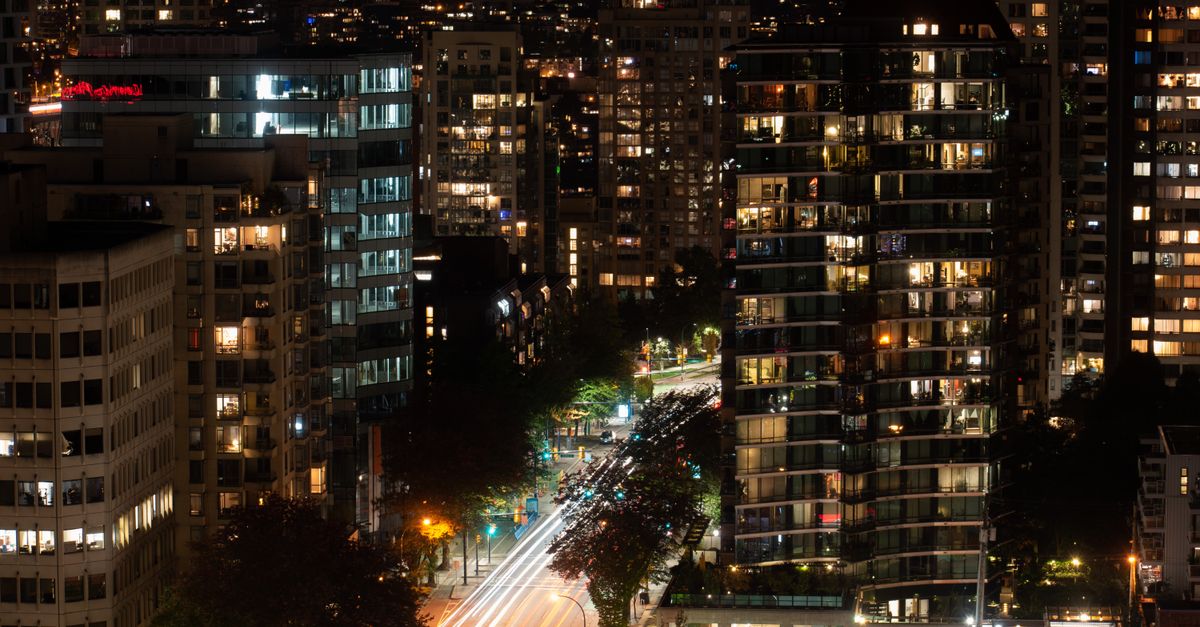
The West End is dense, green, and residential, tucked between downtown, the water, and Stanley Park. Towers sit alongside trees, neighbourhood restaurants, and beaches, making it an easy area to like right away. It’s perfect if you want to stay close to everything while keeping a neighbourhood feel.
Tip: Head down to the water at sunset, then come back through the residential streets to see the neighbourhood’s contrast.
The big sights of Vancouver
Stanley Park
Stanley Park is more than an urban park: it’s a big breath of air by the ocean, with cedars, trails, beaches, and views that change around every bend. The waterfront path clearly shows Vancouver’s connection to the sea and the mountains. You quickly understand why nature is part of daily life here.
Tip: Leave yourself enough room to stop often, because the viewpoints are at the heart of the experience.
Granville Island
Granville Island is a former industrial area turned into a market, workshops, stages, and small food-focused addresses. The place has kept a raw edge, with docks, beams, hangars, and a very lively energy. It’s perfect for tasting, wandering, and watching the ferries go by.
Tip: Arrive hungry and curious, then put your meal together from counter to counter.
Capilano Suspension Bridge Park
The Capilano Suspension Bridge plays with height, forest, and the sound of the river below. Even though the bridge gets a lot of the attention, the treetop walkways and trails also give you a strong sense of coastal forest. It’s an easy outing to fit in if you want a dose of dramatic nature without organizing an expedition.
Tip: Go when the light is soft to enjoy the different shades of green in the forest.
Vancouver Art Gallery
The Vancouver Art Gallery occupies a landmark building downtown and offers a good entry point into the West Coast art scene. The exhibitions change, but the institution often highlights connections between landscape, identity, Indigenous art, and contemporary creation. It’s an ideal pause when the weather invites you to slow down.
Tip: Check the program before choosing your moment, because the experience depends a lot on the current exhibitions.
Museum of Anthropology
The Museum of Anthropology, on the University of British Columbia campus, is an important place for better understanding the Indigenous cultures of the northwest coast. Its large halls, sculptures, and objects tell stories of territory, transmission, and creation. The visit adds depth to what you see afterward in the city.
Tip: Take your time in front of the major works and read the texts, because the context matters as much as the beauty of the pieces.
Queen Elizabeth Park
Queen Elizabeth Park offers an open view of the city and the mountains, with well-kept gardens that shift in feel with the season. It’s a more settled place than the waterfront, pleasant for a green break away from downtown traffic. The perspective from the top also helps you understand Vancouver’s geography.
Tip: Go through the gardens before looking for the viewpoint; the climb is part of the pleasure.
Grouse Mountain
Grouse Mountain rises above the North Shore and gives access to a mountain landscape very close to the city. Depending on the season, the experience changes completely, from forests and wide views to snow or trails. It’s a good choice if you want to see Vancouver from a broader angle than the downtown streets.
Tip: Check the local weather before going up, because clouds can hide the view even when downtown seems clear.
Science World
Science World is easy to recognize by its large sphere on the edge of False Creek. The place is appealing both for its architecture and for its interactive exhibitions, especially if you’re travelling with children or if you like learning by touching everything. Around it, the waterfront path nicely extends the visit.
Tip: Pair the visit with a walk toward Yaletown or a small-boat crossing on False Creek.
A perfect day in Vancouver
Morning
Start in the West End with a simple coffee, then enter Stanley Park through the tree-lined streets. Follow the waterfront path to a viewpoint that opens onto the mountains, without trying to cover everything. The goal is to feel Vancouver’s rhythm from the start: sea, forest, city, then back toward quiet streets.
Afternoon
Head to Granville Island for lunch at the market and to watch the boats in False Creek. Then cross toward Yaletown to walk along the water and see the former warehouse district turned patio neighbourhood. If you want an indoor break, the Vancouver Art Gallery fits well before you head back toward downtown.
Evening
Finish in Gastown when the lights make the façades feel warmer. Choose a table in the neighbourhood, or push on to Commercial Drive if you want a more local, less polished evening. Either way, keep the evening flexible: Vancouver is easier to discover when you leave a little room for detours.
How many days do you need in Vancouver?
Plan on 4 or 5 days to enjoy Vancouver without rushing. With less time, focus on Stanley Park, Granville Island, Gastown, and a neighbourhood like Kitsilano or Commercial Drive. With more time, add the Museum of Anthropology, Grouse Mountain, Capilano Suspension Bridge Park, and a truly slower day near the water.
If you love nature, keep a full day for the North Shore and the higher elevations. If you prefer eating, walking, and visiting galleries, spend more time in the central neighbourhoods and around False Creek.
What is the best season for Vancouver?
According to our data, November and October is the cheapest time to go to Vancouver. It’s also a period when the city feels calmer, with soft light, welcoming cafés, and walks that are well suited to waterproof jackets.
Spring and early fall are often the most pleasant choices if you want to walk a lot and enjoy the neighbourhoods. Summer brings a livelier atmosphere along the water, while winter puts more emphasis on museums, restaurants, damp forests, and the nearby mountains.
Plan Vancouver
Frequently asked questions
How much is a round-trip flight from Montreal to Vancouver?
The typical price from Montreal is CA$317, with a lowest spotted fare of CA$251.
When are flights from Montreal to Vancouver cheapest?
The cheapest months we found are November and October.
What is a good deal for Vancouver from Montreal?
A real deal starts under CA$278.
Are there direct flights between Montreal and Vancouver?
Yes, the share of direct flights from Montreal is 90% in our data.
What is the best deal seen for Vancouver?
The best deal spotted was CA$251, for a departure in November.
Figures from our own price tracking since September 14, 2026, updated automatically: observations, not price promises.